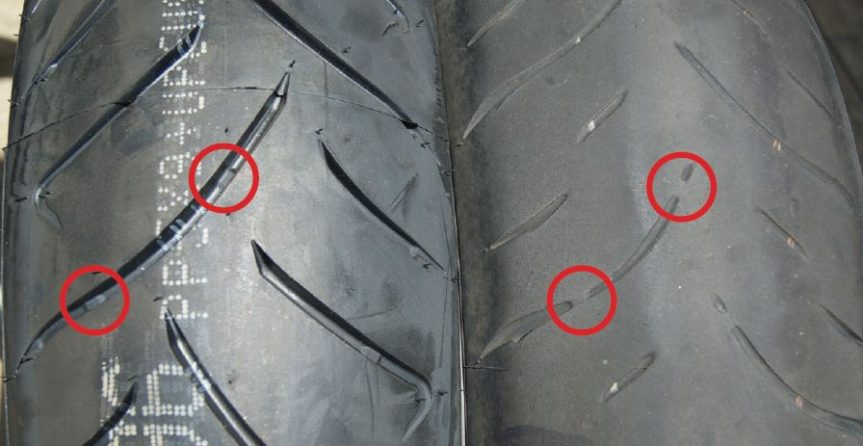
Great information
for new riders and
a good time for others to review
Download your PDF copy below!
http://www.mic.org/downloads/MIC_Tire_Guide_2012V1.pdf
Motorcycle Club – Roanoke, VA – Bedford, VA – Christiansburg, VA – Blacksburg, VA – Rocky Mount, VA – All of Southwest Virginia

Great information
for new riders and
a good time for others to review
Download your PDF copy below!
http://www.mic.org/downloads/MIC_Tire_Guide_2012V1.pdf
A very good article on UltimateMotorcycling.Com – WORTH A READ
Tip #6. Think about special hazards that can come up in certain times of the year.
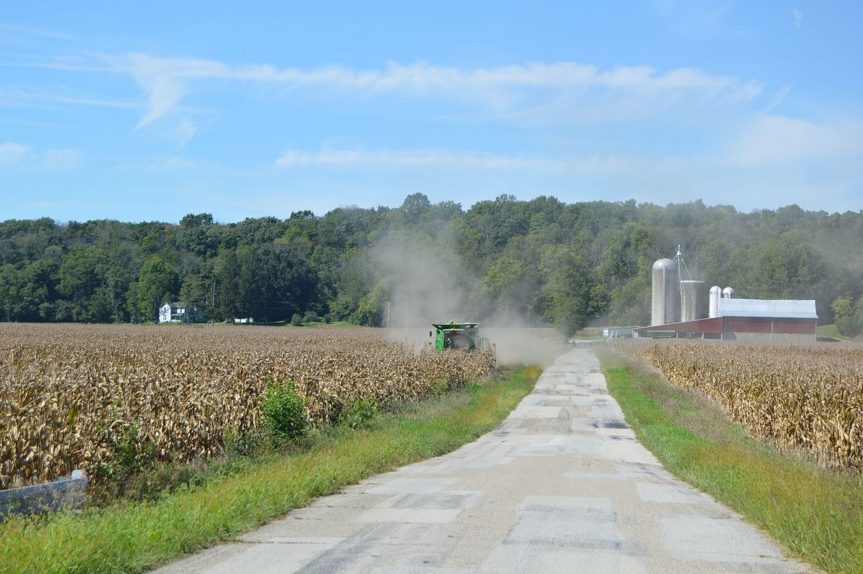
If you ride out in farm country, standing crops like corn can conceal moving hazards such as deer, bear even wild turkey and dogs that are big enough to t ake a bike down in a collision. Be particularly cautious during late summer and early fall riding when harvesting and hunting seasons are underway.
 Farm equipment like corn harvesters can spook deer and other animals that may be feeding or bedded down in the crops. When that happens, the animals may bolt out into the road, creating a very special type of hazard requiring special tactics, especially in areas where crop planting is allowed to crowd close to the roadway. Cut your speed, cover your brake, stay out near the centerline and watch for any sign of movement along the roadside.
I never thought of that. The combine/equipment is not the hazard, but rather the wildlife they may scare into the highway.
Read the rest of their Top 10 Motorcycle Safety Tips on their website!
But what we don’t know is what lies beyond. (Does this not have us written all over it?)
Pretty cool videos Honda is publishing.
Copied from the Illinois State Police
The best place to get to know your motorcycle is in the garage — not while you are riding it. Most panic controls will be the same: clutch, brakes, and shifter. Get to know your new bike or simply re-familiarize yourself with your old standard. Whether it is your standard controls or more complex radio settings, riding on the road is not the time to be searching for them. Remember, when travelling at 60 mph, one second equates to 88 feet.
 You should check tires and wheels, controls, lights, oil, chassis, and side stand before each day of riding. Taking just a few moments to ensure your motorcycle is functioning properly and all components are within manufacturer’s specifications will save you from bigger problems later. Your motorcycle will handle better, increase fuel mileage, and may even prevent a crash. There are forms you can down load from the Motorcycle Safety Foundation (MSF) web site to aid in checking your motorcycle.
 necessary to turn your head all the way around but just enough to allow your peripheral vision to clear the area you are moving into. As always, you need to watch for hazards in the roadway. Always scan down range.
 As riders, we can use a concept known as target fixation to our advantage. Through a number of principles known as ideokinesis, the motorcycle will naturally go where you look. So our goal is to look at the solution, not the problem. This is much easier to say than do. Simply put, look at where you want to go and not at where you are. It will be too late to change where you are because you are there. This applies even to curves requiring a hard lean. You need to keep your head level with the horizon and look through the curve. To make a sharp U-turn, set your bike on the opposite side of the turn and then look over your shoulder at where you want to go. You will be surprised at how sharp you can turn.
 We’ve all seen road gators and many of us have hit them. Road gators are tire tread or recaps from blown tires, typically from tractor/trailer combinations, although other vehicles are not exempt from throwing tire tread. Many times, they are encountered by following too closely or inattention. This can be avoided by simply creating distance and scanning the road. If you do encounter a large piece of tread, don’t hit the brakes. You should brace for the impact and throttle up to lighten up the front end and roll off as you pass over the tire tread. However, another component to consider is when they actually fly off. Recaps and tire tread can come off with a great deal of velocity. You do not want to be next to a truck when one of these flies off. When you are passing any type of vehicle with dual wheels, don’t linger. Dual wheels pose the additional hazard of holding debris between the tires, and hazards can fly out at anytime.
 Uneven pavement is most commonly found near construction areas and is commonly known as edge traps. However, it can be curbs, railroad crossings, or even debris. The tire of your motorcycle can get caught on the edge and limit your ability to keep the tire under the bike, resulting in loss of balance. The best defense for any type of edge trap is to ride past the area and return to your lane where the surface is even. If you cannot ride beyond the trap, try to cross the hazard as perpendicular as possible. As the bike moves toward the edge, allow the bike’s momentum to carry you over the edge. A simple lane shift will help establish a better angle.
 When riding a motorcycle, always consider your relative position to other vehicles. You should place your motorcycle in the most visible locations. In most cases, the left side of your lane will be the best. Motorcycles are smaller, so pay particular attention to blind spots. When approaching an intersection, watch your position and don’t allow another vehicle to obscure your vision of side roads. Try not to pass through intersections with vehicles around you. Some think that is good protection; however, that protection will likely swerve in a panic situation and may hit you. Allow an extra second and run through the intersection in the gaps, creating an out or two. Don’t follow too close. Just because you can stop quickly doesn’t mean the guy behind you can.
 When stopping your motorcycle, is it a good idea to get used to 3-point stops. You should keep your feet on your foot pegs or boards until the motorcycle is almost at a complete stop. When the motorcycle stops, place your left foot on the ground and leave your right foot on the rear brake. This will help stabilize the motorcycle and aid with stop and starts on inclines. Also, if you are on the left side of the lane, this will force your foot into the cleanest spot on the road. Be careful if you are on the right side of the lane as you will be placing your foot on the oil strip in the middle of the road. In that case, you should simply place your right foot down and cover the brake with your hand, although this will increase the difficulty with incline starts and stops. This technique, commonly referred to as clean foot, dirty foot, will also help with 90 degree pull outs. If you need to pull out onto a roadway with limited room, leaning the bike in the direction you want to go and onto the foot that is down will help reduce the room required for the movement.
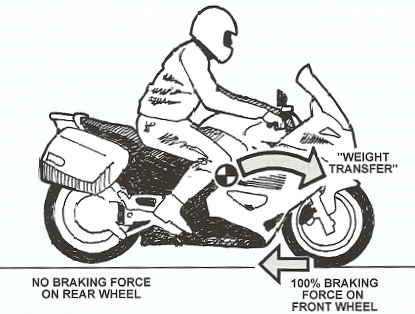
 However, when used together, they can be very effective. When applying the front brake, do not slap at it because this can cause the front end to collapse too quickly, inducing a bouncing effect. The proper way to apply the front brake is to place all four fingers on the lever as close to the end as you can reach. Apply the brake, allowing the front end to load up (collapse), and then simply continue to squeeze until the motorcycle stops. If you feel the front tire lock up, immediately release and properly re-apply. When applying the rear brake, simply increase foot pressure until the bike stops. It is much easier to lock up the rear brake for a few main reasons: the rear end is getting lighter as weight shifts forward, your leg is stronger than your hand, and your body will likely be sliding forward, forcing you to apply more down pressure on the foot pegs or boards to stay in the saddle. If you experience a rear wheel lock up, simply decrease the pressure until the wheel begins to spin again. If you are travelling at a high rate of speed and the back of the bike has already started to come around, do not release the rear brake. You will likely have to ride it out or risk being high sided. The second half of this scenario is the maneuvering. We’ve spoke about target fixation and looking where you want to go. This is no exception. While you are braking, reducing your speed, you should be looking for a way out. Once you have reduced enough speed to maneuver, release your brakes and look where you want to go. Do not look at the obstacle! If you cannot slow enough to maneuver your bike, continue braking to reduce the impact speed. The key here… practice braking!
Want to try the Motorcycle Safety Tips Quiz
Copied from the National Highway Traffic Safety Administration
 With today’s tubeless tires, actual blowouts are rare, but may still occur. When tires do fail, the most common cause is improper tire pressure — usually pressure that’s too low. Checking the overall condition and pressure levels of your tires frequently can go a long way toward ensuring you’ll never experience a blowout.
However, if one of your motorcycle’s tires should fail while you’re riding, you’ll need to react quickly and decisively to avert a crash. So take a few minutes now to familiarize yourself with the following steps for successfully handling motorcycle tire blowouts:
While tire blowouts are not common, the absolute best way to “handle one” is to avert it before it happens. Click Here to learn more about basic motorcycle tire care and safety precautions, including:
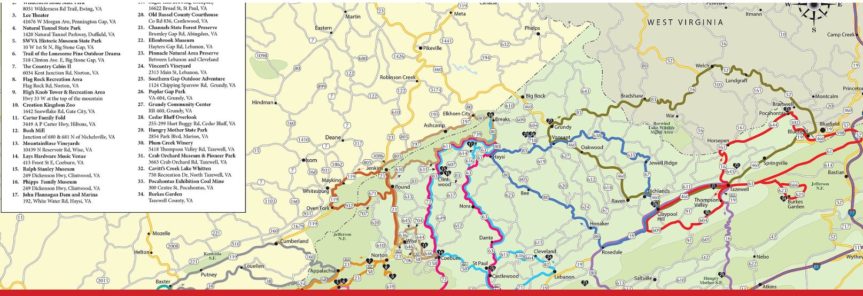
 Over 1,500 miles of vetted byways climb to the edge of the horizon and descend thousands of feet to verdant valleys below. Connect to our Appalachian Backroads from the famed Back of the Dragon which boasts 3 mountains, 260 curves in 32 miles. Spurs off the main routes offer one-of-a-kind adventures that will keep you coming back for more….
Check out all the routes and order your own copy from their website @ https://www.appalachianbackroads.com/
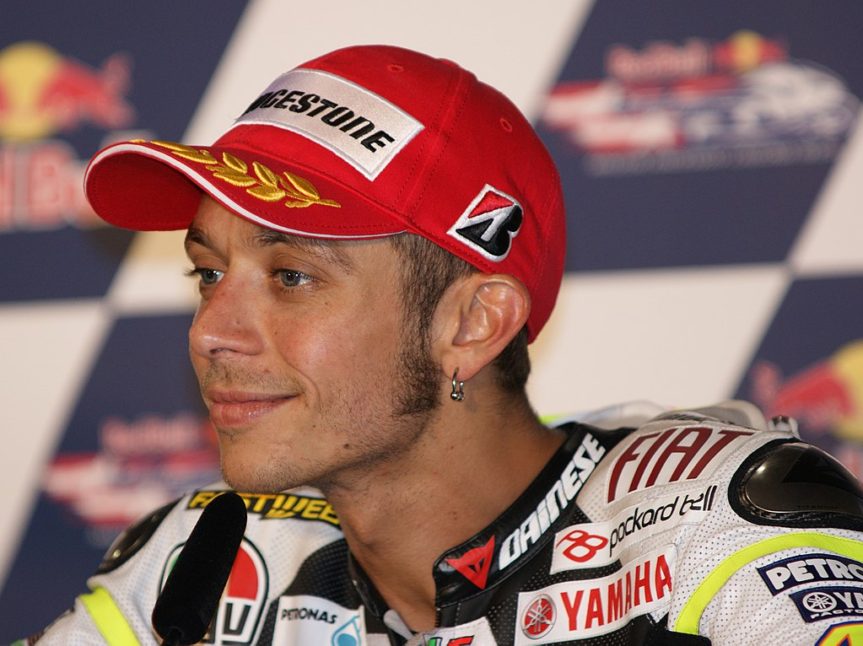
 This weekend at the Silverstone Circuit in the UK, 38 year old Valentino Rossi is set to make his record 300th premier class start.
Rossi is the most successful motorcycle racer or all time and no other rider in history has reached that number of starts and he shows no signs of retiring?
Read the full article here on MotoGP

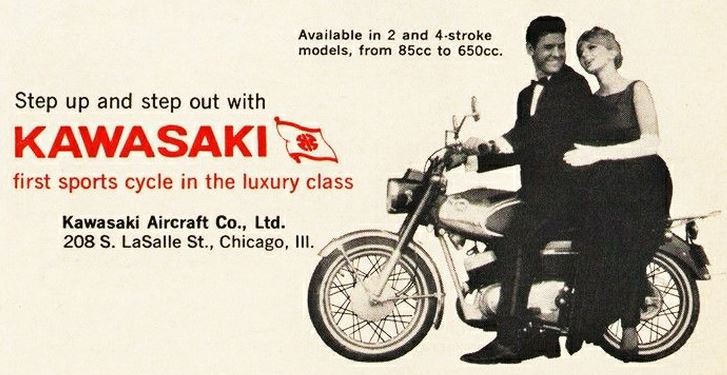
Here is a really fun website you may enjoy.
Page after Page of old print ads. The link starts you in the middle, but roam around a little.
I am sure all of us are aware of this (we should), but a good graphic and reminder to us all!
Copied from Drive-Safely.Net Check it out
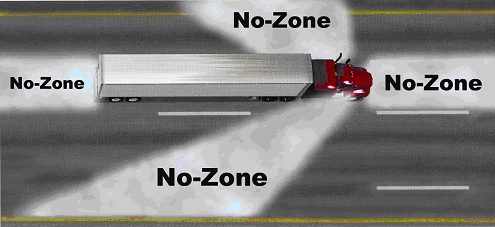
Blind spots are everywhere!
 Even your car has blind spots. The number of blind spots in a big rig is insane. The passenger side of a semi has far more blind spots than the drivers side, so use proper truck safety techniques and try to always pass an 18 wheeler on the left. Hurry up and get ahead of the truck…don’t dilly dally around. The trucker may not know you’re even there, and God forbid the driver makes a quick lane change or swerves to avoid road debris, etc. Here is a diagram showing the most dangerous areas to be. Stay out of the no zone!
Interesting article on Blog.Virginia.Org